

Written By: Patrick Ellingson, MA, LPCC
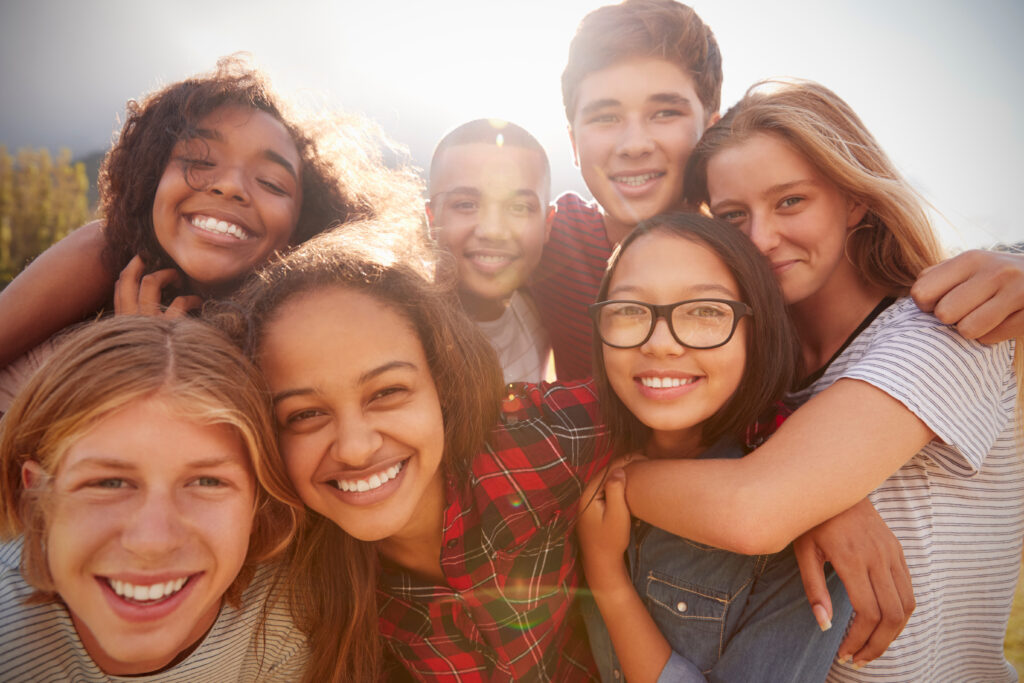
Think about how you feel when you’re with your favorite people or doing something you truly love.
Happiness. Joy. Connection. A sense of calm.
This is what it feels like to truly belong.
Humans start seeking connection from a very early age. Even infants respond to familiar caregivers with smiles and engagement. As children grow, this connection becomes something bigger, a sense of self, confidence, and social awareness.
Sometimes these experiences help kids feel connected and accepted. Other times, they can lead to feelings of isolation or self-doubt. As children interact with family and peers, they begin to form their identity. They notice what others enjoy, what gets attention, and where they seem to “fit.” Sometimes those experiences feel affirming. Other times, they create confusion or pressure. Either way, they play a major role in building self-esteem.
We all want to feel like we belong. For kids, that need can feel especially important. When children feel secure in who they are, it gives them a quiet confidence. They’re more comfortable in peer interactions, more confident in their decisions, and more open to being themselves. As a parent, you might notice this in the friendships they choose, the activities they enjoy, and how they carry themselves day to day.
But many kids quietly wrestle with a big question:
“How do I just be myself?”
It sounds simple, but to a child, it often isn’t. They’re balancing two powerful forces:
- Wanting to fit in
- Wanting to be true to themselves
When those don’t line up, kids may hide parts of who they are in order to feel accepted.
As children move through the school years they constantly face social decisions that shape their sense of belonging.
Thoughts like:
- “Do they like me?”
- “Did I say something wrong?”
- “Should I do this too?”
- “Will I ever fit in?”
A child might feel confident one day, and completely unsure the next, sometimes over something that seems small to adults. Many things shape a child’s sense of belonging including friendships, online connections, activities, school, and family dynamics. Each of these areas can either support a child’s sense of connection or quietly challenge it. Understanding these influences can help to better recognize what kids are going through, and how to support them in feeling secure, accepted, and true to who they are.
FRIENDSHIPS
Friendships are one of the strongest influences on belonging and self-esteem. Research shows that feeling connected, particularly through supportive friendships, can significantly improve a child’s mental well-being (Scheuplein & van Harmelen, 2022). When kids feel accepted by their peers, they’re more likely to feel comfortable being themselves.
At the same time, children don’t always speak up when something feels off. They may worry about losing their place in the group. That’s why it’s important for parents to stay curious and observant. Changes in your child’s behavior, mood, or social patterns can be important signals.
ONLINE CONNECTIONS
Technology adds another layer.
Kids today are almost always connected, whether to friends, classmates, or social media. While this can create opportunities for connection, it can also increase pressure. With constant access to peers via smartphones, internet and social media, children today rarely have a break from social situations. While social media and video games can provide opportunities to connect beyond school, they can also intensify feelings of exclusion or “missing out,” causing kids to question whether they truly belong.
SCHOOL
School and academics can also play a role. Kids hear early and often how important grades are and how they shape their future. This strong emphasis on academic performance can significantly influence their self-esteem and sense of belonging. Struggles or setbacks can affect how children see themselves and their place in the world. Even minor challenges, like a disappointing grade or unexpected difficulty, can shake their confidence and trigger shifts in mood or behavior.
HOW PARENTS CAN HELP
Understanding these influences is helpful, but what matters most is how parents and caregivers respond. The goal isn’t for kids to “fit in” at any cost. It’s to help them feel safe being their authentic selves.
Sometimes kids use short-term strategies to belong, like:
- Pretending to like something they don’t
- Hiding their feelings
- Trying not to stand out
These may work temporarily, but over time, they can chip away at confidence.
As parents and caregivers, our words matter. They can either strengthen a child’s sense of belonging or contribute to emotional overwhelm. When we notice strengths, encourage effort, and normalize mistakes, we help kids build a more secure sense of self. This is often called a growth mindset, the belief that challenges are part of learning. When kids feel secure in who they are, they’re better able to handle setbacks and stay true to themselves.
If your child seems lonely, withdrawn, or unsure of themselves, support can make a meaningful difference. The providers at Ballard Clinic are here to help.
You're not alone in your child's health and wellness journey. Together, we can create a path of renewal and hope.
privacy policy
all rights reserved
WAYZATA ADDRESS: 1907 Wayzata Boulevard E., Suite 100, Wayzata, MN 55391
612-787-2344
EDINA ADDRESS: 7301 Ohms Lane, Suite 195, Edina, MN 55439
612-787-2344


